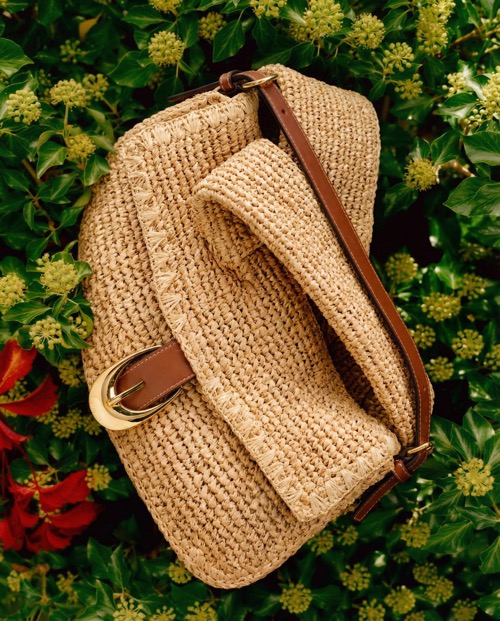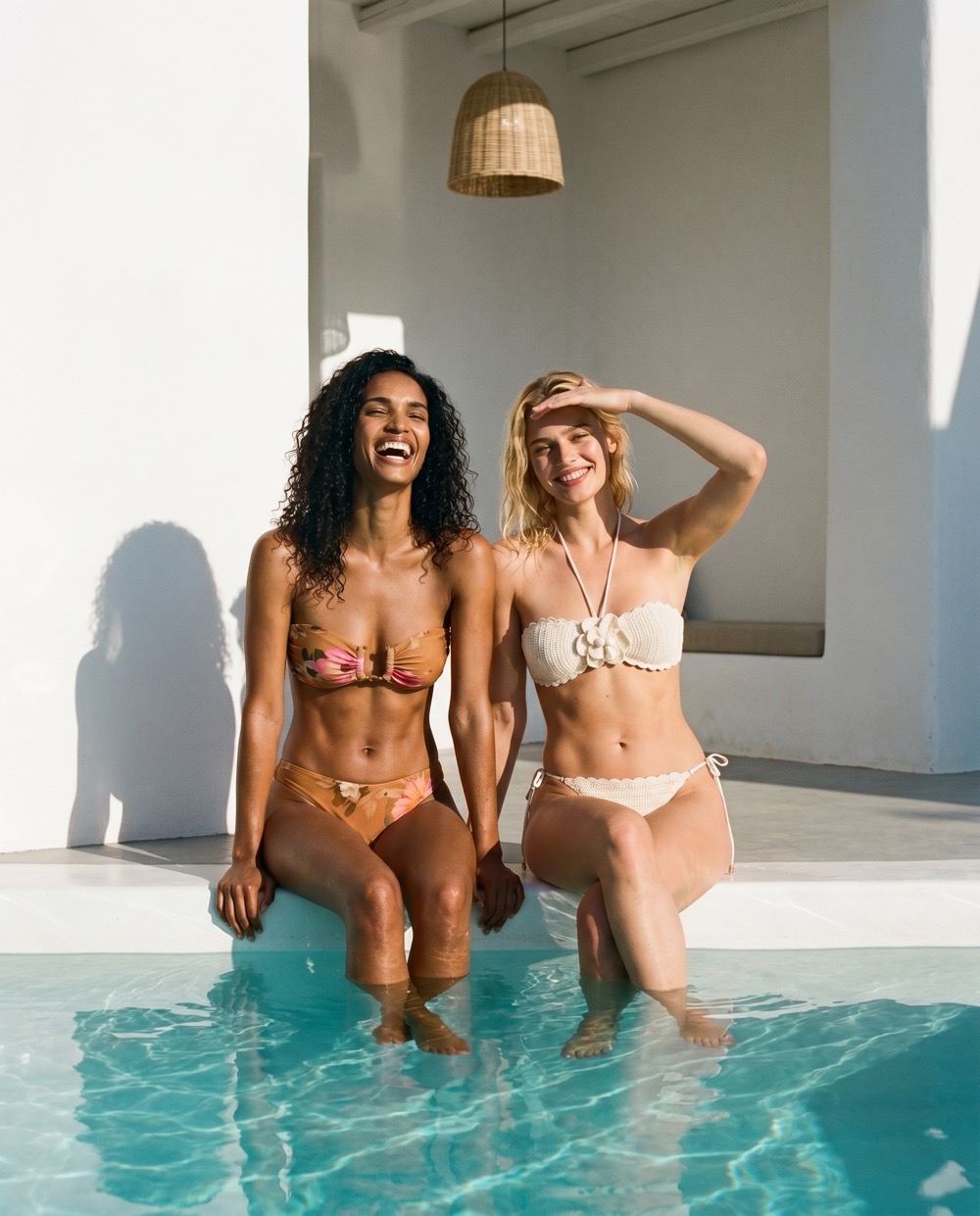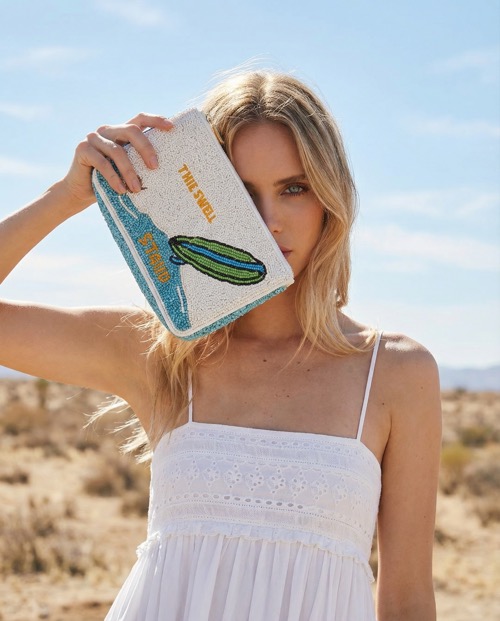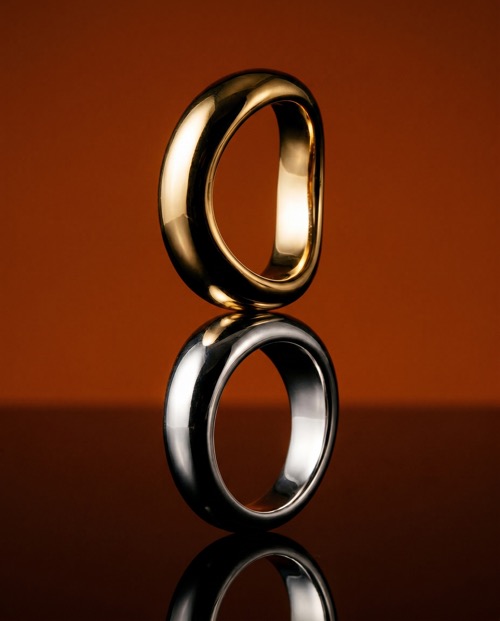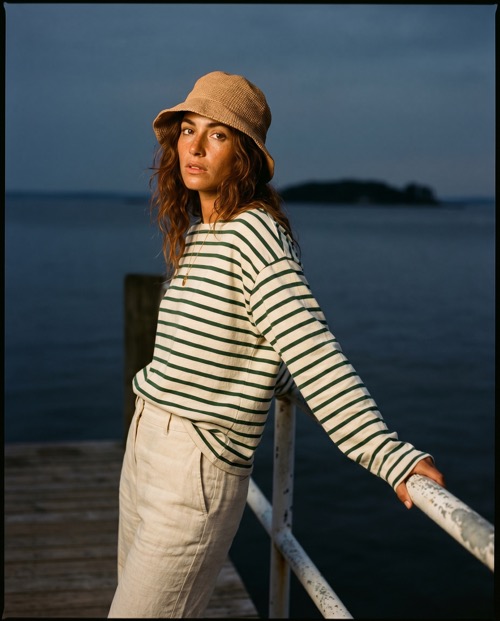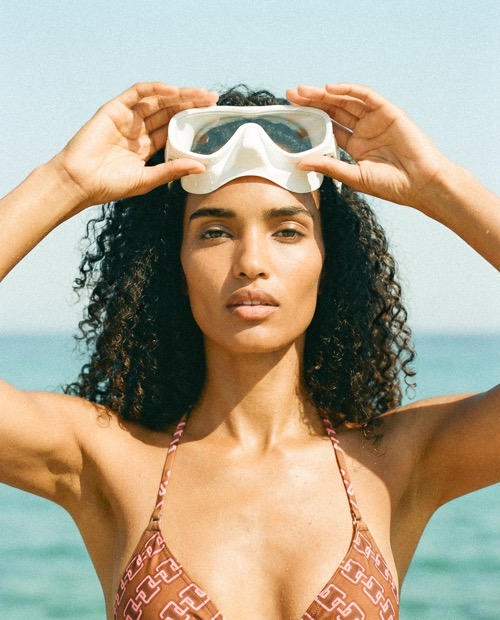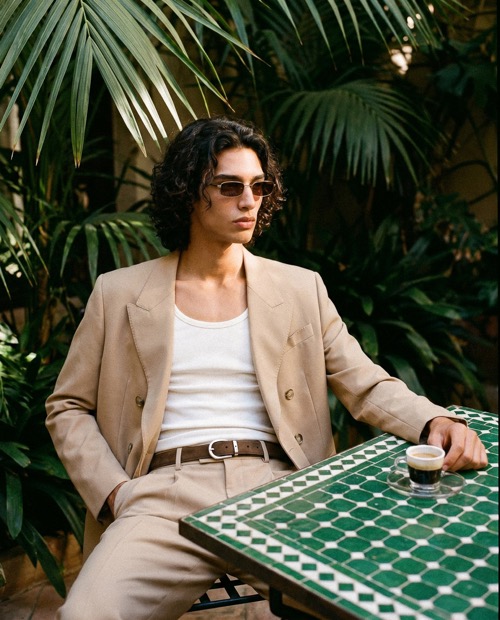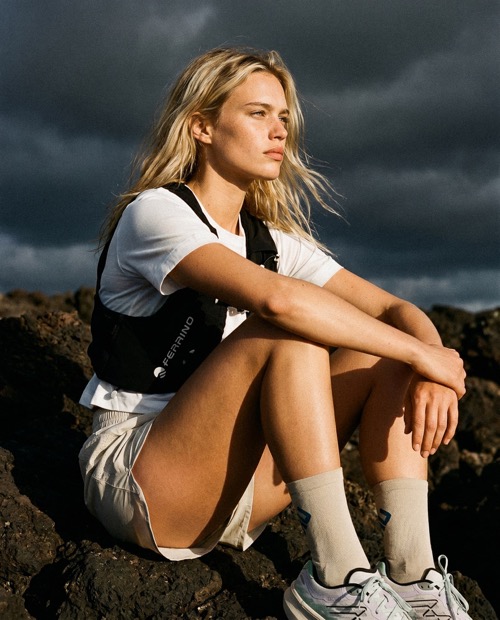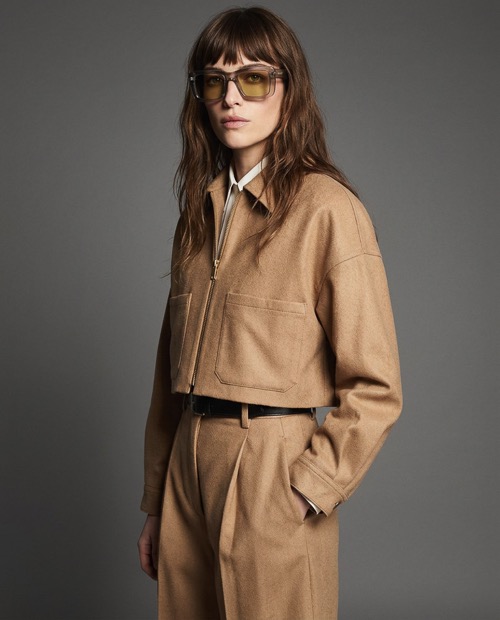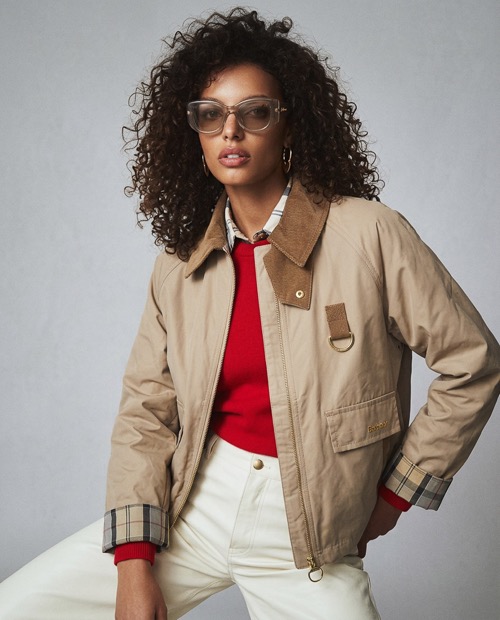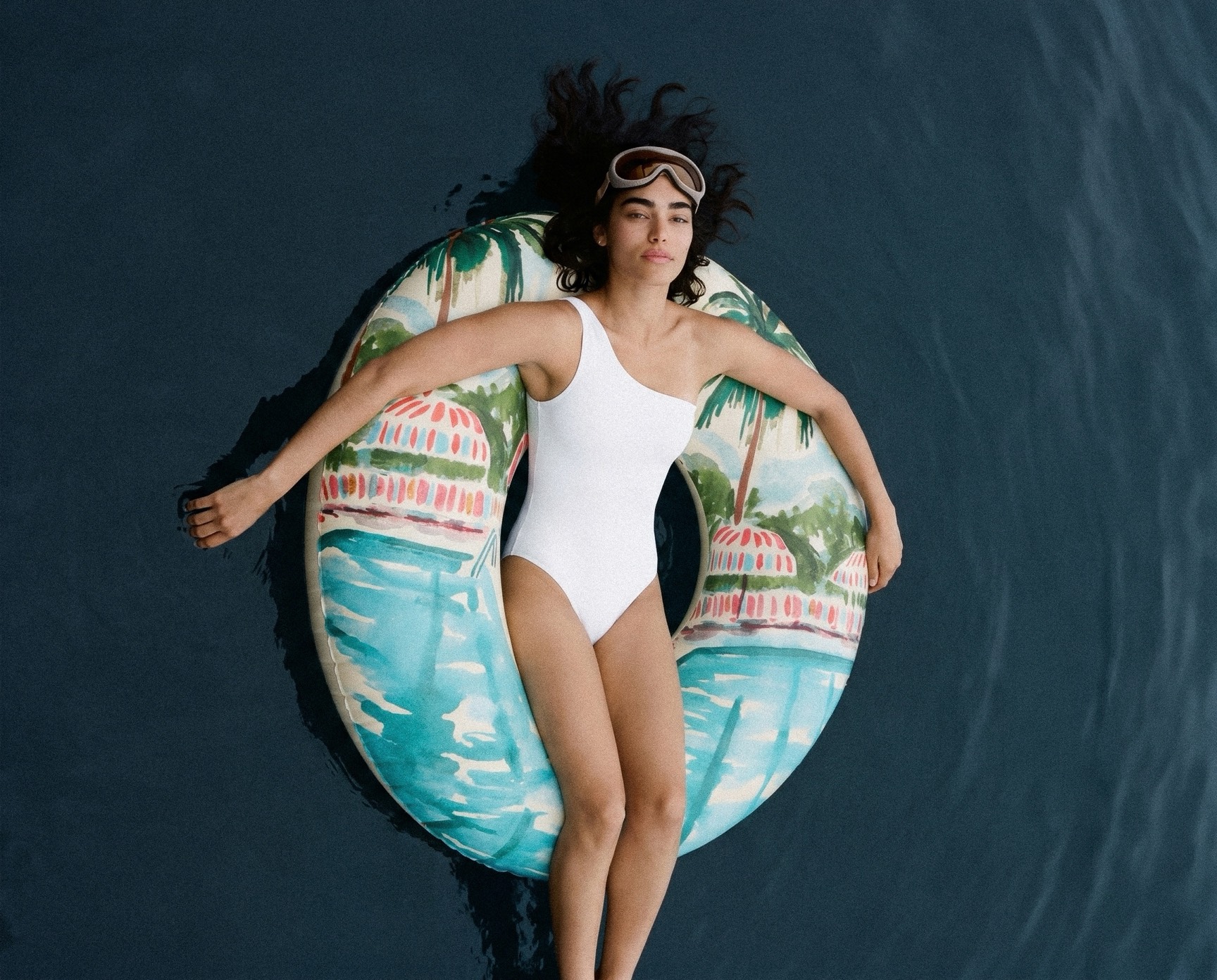
A Swedish fashion brand pulled an entire AI-generated campaign this summer after fashion photographers pointed out that two of the images were near-identical to their own published work — down to the fold of a sweater and the veins on a hand. Lawyers got involved. The brand's PR team called it a review of "creative and ethical standards." The internet called it plagiarism.
It wasn't a one-off glitch. It's a predictable failure mode of how a lot of AI production actually gets made, and it's worth understanding exactly why, because the answer isn't "don't use AI." The answer is "know what you're feeding it."
What actually goes wrong
When people imagine an AI-generated campaign going sideways, they picture the model inventing something bizarre: six fingers, melted faces, a bag with no strap. That's not what happened here, and it's not the real risk anymore. Modern models are good enough that the failure is almost the opposite problem: they're too good at reproducing what they're shown.
If a photo — someone else's photo — is used as a direct visual reference, the model isn't interpreting a mood or a lighting style. It's being asked to recreate a specific composition, a specific pose, a specific garment fold. The more precisely a reference image is used as input, the more precisely the output tends to resemble it. That's not the model malfunctioning. That's the model doing exactly what it was pointed at.
This is where the responsibility question gets uncomfortable for brands. It's rarely the brand's own team pulling reference images from a competitor's Instagram. It's usually a production step further down the chain, inside whatever platform or agency is generating the images, where a "get me something like this" reference photo becomes the literal input. The brand approves a final image without ever seeing what it was built from. Nobody intended to copy a named photographer's work. But intent doesn't change what got published under the brand's name, and it doesn't change who's liable for it.
Why this is a process problem, not an AI problem
The uncomfortable truth is that AI didn't cause this. Bad sourcing did. The same failure happens in traditional production when a photographer is told to "shoot it like this campaign" with a tear sheet taped to the wall — it's just slower and harder to prove. AI makes it faster to produce, faster to publish, and, it turns out, far easier to catch. A close copy shot on a real set takes real effort to notice. A close copy generated in an afternoon and posted to Instagram gets spotted, screenshotted, and compared side by side within days.
So the actual question a brand should be asking a production partner isn't "do you use AI." It's "what goes into the model as input, and who's checking it before it goes out."
How we build campaigns differently
At Aavi, we don't generate from other people's photographs. A campaign starts as a brief: mood, light, styling direction, references discussed and understood by a person, not fed into a model as pixels. The system is prompted to build a scene from that direction, in Aavi's own visual language, not to reproduce an existing photograph with the serial numbers filed off.
That distinction matters more than it sounds like it should. A model asked to create "soft directional window light, tonal browns, a relaxed hand resting on fabric" is composing. A model handed a specific photograph and asked to match it is copying. We only ever do the former, and we don't treat "it looks similar to something out there" as an acceptable coincidence to wave off, because in fashion imagery there's a finite number of poses and lighting setups already — the difference between an homage to a genre and a copy of a specific frame is something a trained eye has to actually check, every time, before anything ships.
That's also why nothing leaves Aavi without a person looking at it against the brief and against the wider market first. Not a checkbox. An actual comparison, the same instinct a good art director has always needed, just applied earlier in the process than most AI production bothers to apply it.
What this means if you're considering AI production
The Filippa K case is going to get cited for a while as the moment brands got nervous about AI imagery. We'd argue it should be cited as the moment brands started asking better questions of their production partners, because the technology was never the variable that mattered. The process around it was.
If you're evaluating an AI production partner, it's a fair and reasonable question to ask directly: what are your images built from, and what happens before something gets sent to you for approval. Any partner worth working with should have a straightforward answer.
We do.
Aavi is a creative studio building campaign imagery for fashion and lifestyle brands. Get an introduction to talk about your next campaign.